Small Closet Organization Ideas for Renters (No Built-Ins Required)
Rental closets tend to have one thing in common: a single rod, one shelf, and not much else. That’s not a design flaw you have to live with — it’s just a starting point. The goal isn’t to fit more into the closet you have. It’s to actually use the vertical space a single rod wastes.
Start With Four Zones, Not One Big Pile
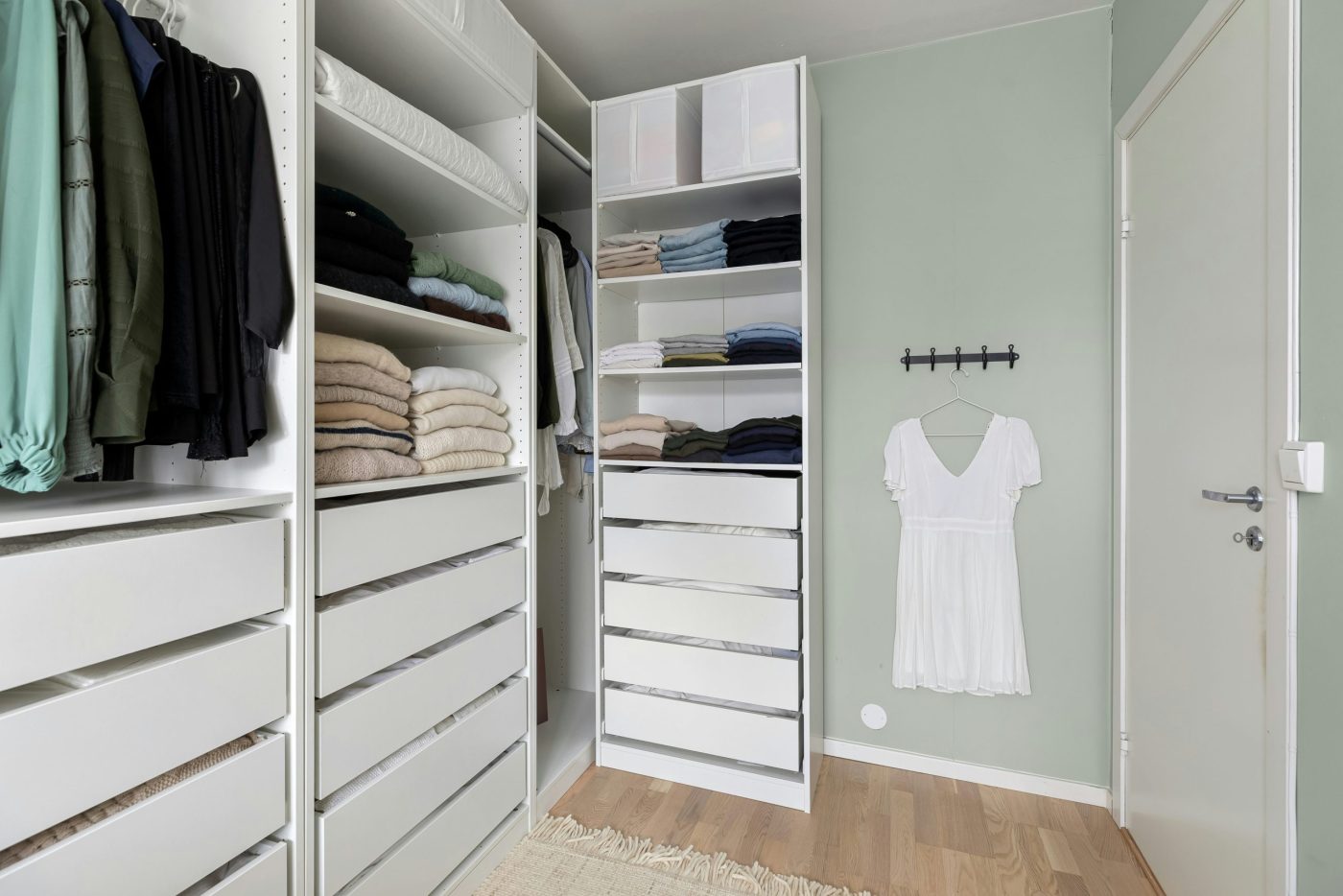
Before adding anything, mentally split the closet into: hanging clothes, folded clothes, shoes, and everything else (bags, accessories, out-of-season items). Most rental closet chaos comes from all four categories competing for the same rod and shelf.
Double Your Hanging Space
A double-hang closet rod (the kind that clips onto your existing rod, no tools needed) instantly doubles vertical hanging space — tops and folded pants on top, longer items like dresses on a lower level elsewhere. This single change solves more rental-closet clutter than any bin or basket.
Adjustable Double-Hang Closet Rod
Hooks over your existing rod with no tools or drilling. Adjustable width and height so it fits most standard closets, and folds flat if you need to remove it at move-out. Rated for everyday clothing loads, not heavy coats — check the listed weight limit before loading it up with sweaters.
Not for you if: your closet is already a double-rod setup — you likely need better categories, not another rod.
[Links to a live Amazon search for this product category, tagged catuniverse02-20. Swap in the exact ASIN link once you’ve picked the specific product — see production note below.]
Use the Door — It’s Free Real Estate
An over-the-door shoe organizer isn’t just for shoes: use it for shoes on the bottom rows and rolled scarves, belts, or small accessories on top. It hangs on the door itself, so there’s zero wall or shelf impact.
Over-the-Door Shoe & Accessory Organizer
Clear pockets make it easy to see what’s inside at a glance — helpful for shoes, but also for anything small that tends to disappear into a bin (chargers, gloves, sunglasses). Fits standard door thicknesses without hardware.
Not for you if: your closet door doesn’t fully close with anything hanging on it — measure clearance first.
[Links to a live Amazon search for this product category, tagged catuniverse02-20. Swap in the exact ASIN link once you’ve picked the specific product — see production note below.]
Give Shelves a Job, Not Just a Surface
A single closet shelf becomes chaos fast if it’s “everything that doesn’t fit elsewhere.” Assign it a specific category — folded sweaters only, or bags only — and use stackable bins to keep that category from sliding into a pile.
Stackable Fabric Storage Bins
Look for bins with a rigid base and reinforced handles so they hold their shape when stacked — flimsy fabric bins collapse under their own weight and defeat the purpose. Label each one by category, not by what’s currently inside, so the system survives when contents change.
Not for you if: your shelf depth is under 10 inches — measure before buying, since most bins need at least that much clearance.
[Links to a live Amazon search for this product category, tagged catuniverse02-20. Swap in the exact ASIN link once you’ve picked the specific product — see production note below.]
Handle the Floor Before It Handles You
Closet floors become a dumping ground for shoes and bags with nowhere else to go. A simple shoe rack or a couple of labeled bins on the floor gives those items a defined spot, which is usually enough to stop the pile from forming in the first place.
Freestanding Closet Floor Shoe Rack
A slim, freestanding rack (2–3 tiers) fits most closet floors without blocking hanging clothes above it. Sturdy metal frames hold their shape better over time than the mesh or fabric versions, especially with boots or heavier shoes.
Not for you if: your closet floor is narrower than about 12 inches — a slimmer over-the-door option (above) will serve you better.
[Links to a live Amazon search for this product category, tagged catuniverse02-20. Swap in the exact ASIN link once you’ve picked the specific product — see production note below.]
Common Mistakes
- Buying organizers before measuring. Rental closets vary wildly in depth, width, and rod height — measure before you buy anything.
- Trying to fix everything at once. Start with the double-hang rod and the door organizer — those two changes alone solve most of the problem.
- Ignoring seasonal rotation. A small closet can’t hold every season’s wardrobe at once. Off-season clothes belong in under-bed storage, not competing for rod space.
- Overloading a single rod bracket. Adding a heavy hanging organizer to an already-full rod can strain the wall bracket — check the weight rating before stacking bins on a clip-on organizer.
FAQ
What if my closet has no shelf at all — just a rod?
A freestanding closet organizer or a small shelving unit that fits inside (not attached) gives you the shelf space a rod-only closet is missing, without touching the walls.
How do I organize a shared closet with a partner or roommate?
Split by the same four zones, but assign a side or a shelf per person. The double-hang rod trick works especially well here — each person gets a full second tier instead of negotiating over one rod.
What’s the single best first purchase for a small rental closet?
A double-hang closet rod. It’s the one change that immediately creates more usable space rather than just reorganizing what’s already too tight.
Want the Sunday Reset Starter Kit?
Grab the free printable that walks through a weekly reset — including a 10-minute closet tidy-up — right below.