10 Tiny Habits That Keep My Home Clutter‑Free (Without Thinking)
10 Tiny Habits That Keep My Home Clutter‑Free (Without Thinking)
I used to believe clutter‑free homes belonged to people with more time, more space, or more discipline than me. Then I stopped chasing big organizing overhauls and started building tiny, almost invisible habits instead — and that’s what actually stuck.
If you’ve ever spent an entire Saturday deep‑cleaning and decluttering, only to watch the chaos creep back within a week, you already know the problem isn’t effort. It’s that one‑time projects don’t change daily behavior. The homes that stay calm aren’t the ones that get the occasional deep clean — they’re the ones where a handful of tiny habits run quietly in the background, every single day.
Below are the ten habits that changed how my home feels — none of them take more than two minutes, and none of them require turning into a different person. Save this post so you can come back to it as you build these in, one at a time.
Key Takeaways
- Small, repeatable habits beat big one‑time decluttering sessions for keeping a home tidy long‑term.
- Most of these habits take under two minutes and can be layered into a routine you already have.
- A few simple tools — a tray, a basket, a designated landing spot — make these habits almost automatic.
- Start with just one or two habits this week rather than trying all ten at once.
Why Tiny Habits Work Better Than Big Declutters
A weekend purge gives you a clean home for a moment. A habit gives you a clean home as a side effect of how you already move through your day. The habits below work because each one removes a tiny decision point — “where does this go?” or “should I deal with this now or later?” — so your home stays tidy without you having to think about tidying at all.
The 10 Habits
Give Everything a Landing Strip by the Door
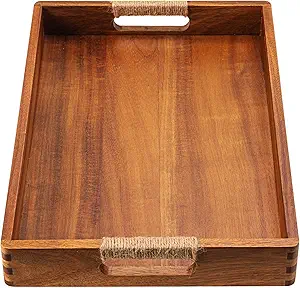
Keys, sunglasses, mail, and your bag all need one specific spot the moment you walk in — not “wherever there’s room.” I use a shallow tray on our entry table, and it’s the single habit that ended our nightly key hunt. The trick isn’t the tray itself; it’s that there’s only one acceptable place for these items, so putting them away stops requiring a decision.
Follow the One‑Minute Rule
If a task takes less than a minute — hanging up a towel, putting a dish in the dishwasher, returning a shoe to the closet — I do it immediately instead of “later.” Later is where clutter is born. This single rule has probably prevented more mess than any organizing product I own.
Close the Loop as You Go
Cabinet doors, drawers, the pantry — close them as part of the action, not as a separate step. An open cabinet door is a visual cue that something is “in progress,” and a house full of in‑progress cues reads as cluttered even when it technically isn’t.
Keep a “Homeless Item” Basket
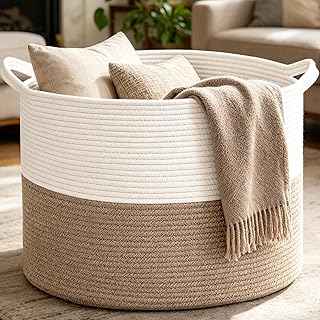
Every house has things that don’t have an obvious home yet — a charger cable, a kid’s school flyer, a random screw. Instead of letting these scatter across counters, I keep one small basket for “items without a home.” Once a week, I sort the basket: give each item a real spot, or let it go. This contains the clutter without requiring an instant decision for every random object.
Run a Five‑Minute Evening Reset
Right before bed, I do one fast lap of the main living areas: cups to the sink, blankets folded, surfaces cleared. It’s not a clean — it’s a reset. Waking up to a tidy living room sets the tone for the whole next day, and five minutes at night saves a much bigger cleanup later in the week. This pairs well with a weekly version of the same idea — see the Sunday Reset Routine for the bigger‑picture version of this habit.
Set Up a Launch Pad for Tomorrow
Before bed, I lay out what’s needed for the morning — gym bag by the door, kid’s folder on the counter, tomorrow’s outfit on a hook. A morning that doesn’t start with searching for things doesn’t end in things dumped randomly around the house once you’re finally out the door.
Practice “One In, One Out”
Before something new comes into the house — a piece of clothing, a kitchen gadget, a kid’s toy — something similar goes out. This isn’t about minimalism for its own sake; it’s about keeping the total volume of “stuff” from slowly creeping upward, which is how most clutter actually happens.
Keep Horizontal Surfaces Off‑Limits for “Maybe Later”
Counters, the dining table, the top of the dresser — flat surfaces are clutter magnets because they make it easy to set something down “just for a second.” I treat these surfaces as display‑only: if it’s not meant to live there permanently, it doesn’t get set down there, even temporarily.
Put a Hamper in Every Bedroom
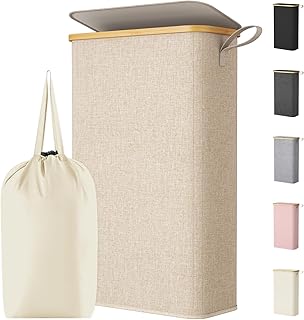
Dirty laundry piling on chairs and floors is one of the most common sources of bedroom clutter, and the fix is almost embarrassingly simple: a hamper in every room that generates laundry, placed somewhere it’s actually easier to use than the floor.
Do a Weekly “Reset the System” Check
Once a week, I check whether each of these habits is still working — is the entry tray overflowing? Is the homeless‑item basket actually getting sorted? Habits drift over time, and a ten‑minute weekly check keeps the whole system from quietly falling apart. If you want a full structure for this, my 12‑12‑12 Declutter Method walks through building habits like these one at a time.
Start With Just One Habit This Week
You don’t need to adopt all ten habits on Monday. Pick the one that addresses your biggest current pain point — for most people, that’s either the entry landing strip or the evening reset — and let it run for a week before adding another. Habits stack much more reliably than overhauls do.
Free Printable: Daily Clutter‑Free Habits Checklist
Want a simple way to track these habits until they become automatic? Grab my free printable checklist below — it breaks down all ten habits with checkboxes for your fridge or planner, plus a weekly system check page.
- Free printable Daily Clutter‑Free Habits Checklist (PDF)
- Weekly tidy‑home tips straight to your inbox
- Early access to exclusive subscriber deals on organizing finds
Frequently Asked Questions
What’s the easiest way to start building clutter-free habits?
Start with the entry landing strip — a single tray or bowl by your front door for keys, mail, and sunglasses. It’s the lowest‑effort habit on this list and the one most people notice the impact of within a day or two.
How long does it take to declutter using tiny habits instead of one big purge?
Most people notice a meaningfully calmer home within two to three weeks of consistently running three or four of these habits, rather than all ten at once. The goal isn’t a single dramatic transformation — it’s a home that stays tidy on its own going forward.
What if I live with people who don’t follow these habits?
Start with the habits that depend only on you, like the evening reset or the launch pad, and introduce shared‑space habits by setting them up and modeling the behavior rather than asking everyone to change at once. Most households adopt a new system faster when it’s already in place and obviously useful.
Do I need to buy organizing products to make this work?
No. Every habit on this list works with items you likely already own — a bowl instead of a tray, a laundry basket instead of a dedicated hamper. The products linked in this post are conveniences, not requirements.
What’s the difference between a tidy home and a clutter-free home?
A tidy home looks clean at a given moment, often after effort. A clutter-free home stays reasonably orderly with very little ongoing effort because the systems and habits behind it are doing the work automatically.
How do I stay consistent when I’m busy or tired?
Lean on habits that take under a minute, like closing cabinet doors or following the one‑minute rule, since those survive even your lowest‑energy days. The five‑ and ten‑minute habits are easier to skip when you’re exhausted, so build the one‑minute habits first and treat the longer ones as a bonus.