The One-Touch Rule Decluttering: 7 Simple Shifts That Finally Stopped My Clutter From Coming Back
If you’ve ever deep-cleaned your whole house on a Saturday and watched it slide right back into chaos by Wednesday, I want you to know something first: it was never a discipline problem. It was a system problem. You were doing decluttering — the big, exhausting, once-in-a-while kind — when what your home actually needed was something much smaller and much kinder. That’s the One-Touch Rule, and once I started using it, it became the quiet thing that holds everything else together.
Key Takeaways
- The One-Touch Rule means handling an item completely the first time you pick it up — put it away, deal with it, or get rid of it — instead of setting it down “for now.”
- It’s a maintenance habit, not a purge method — it works after you’ve decluttered, to keep clutter from creeping back.
- It pairs with a few simple “landing zone” tools so putting things away is actually easier than setting them down.
- Research on clutter and stress suggests this kind of small, consistent habit matters more for daily wellbeing than occasional big cleanouts.
What the One-Touch Rule Actually Is
Here’s the simplest way I can explain it: when you pick something up, you only get to touch it once before it’s in its final home. Mail comes in — you don’t set it on the counter “to deal with later,” you walk it straight to the recycling bin, the shredder pile, or the action folder. A sweater comes off — you don’t drape it over the chair “for now,” you hang it up or put it in the hamper. One touch, one decision, done.
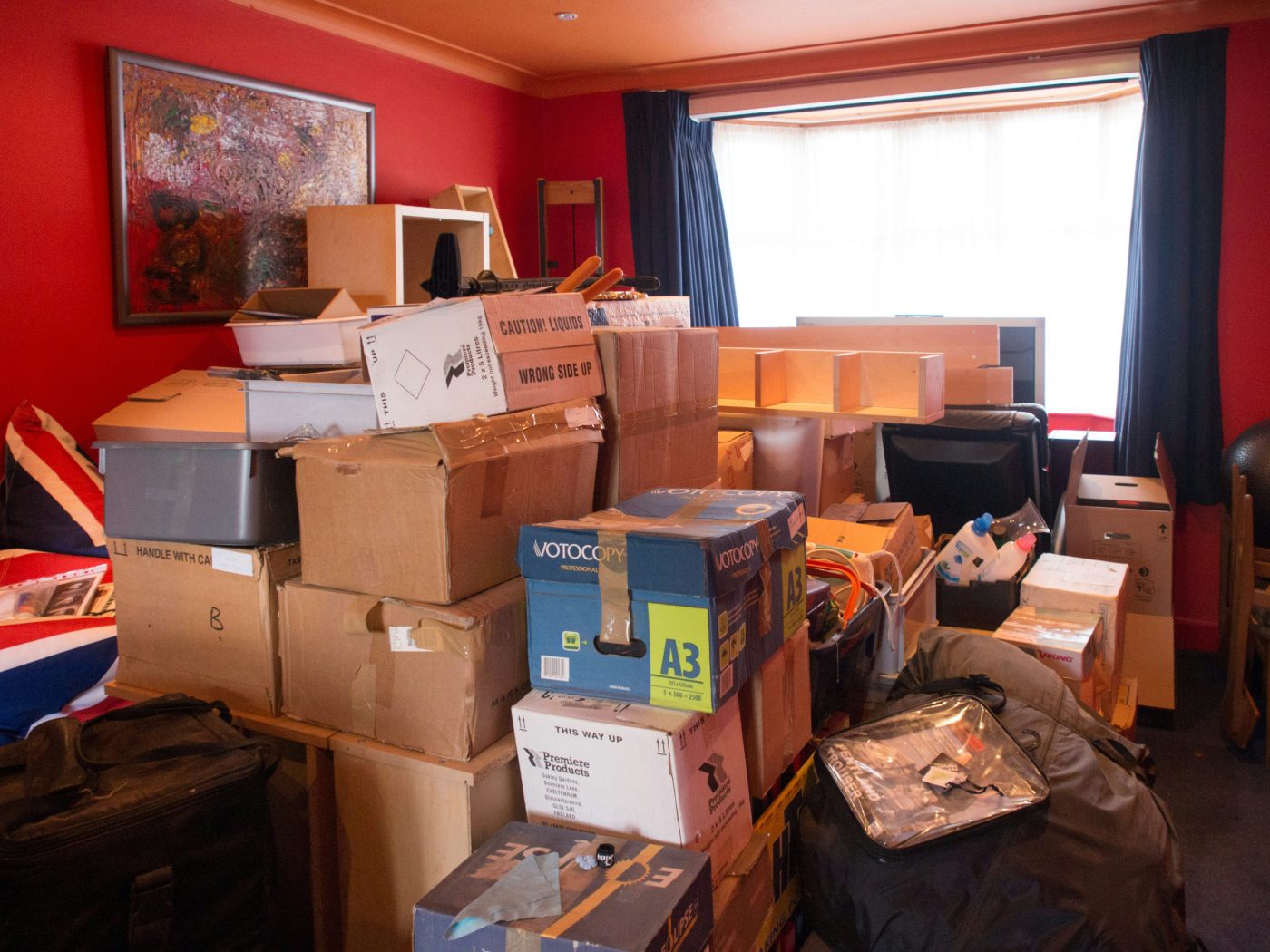
It sounds almost too simple to matter. But if you think about your own home honestly, most clutter isn’t made of things you don’t know what to do with. It’s made of things you do know what to do with — you just didn’t do it yet. The chair becomes a closet. The counter becomes a filing system. The stairs become a holding zone. Every “I’ll deal with it later” is a tiny touch that didn’t finish its job, and they pile up fast.
Why this matters more than another big declutter
If you’ve already worked through something like our 30-Day Declutter Challenge, you know how good a freshly cleared space feels — and you also know how fast it can slip if nothing changes about your daily habits. A 2010 study out of UCLA found that the way women described their living spaces — using words like “cluttered” or “chaotic” versus “calm” — was directly linked to their daily cortisol patterns, the hormone most associated with chronic stress. The researchers weren’t measuring how big someone’s purge was. They were measuring how their home felt day to day. That’s exactly what the One-Touch Rule is built to protect.
Room-by-Room: How to Actually Use It
1. The Entryway
This is ground zero for clutter creep — it’s the first surface everything touches when it enters your home. The fix isn’t willpower, it’s friction reduction: put a hook at the exact height where coats get dropped, and a small basket for mail and keys directly inside the door. If putting something away takes less effort than setting it down, you’ll do it without thinking.
This little woven landing-zone basket is the exact kind of piece that makes the rule effortless instead of effortful: Check price on Amazon →
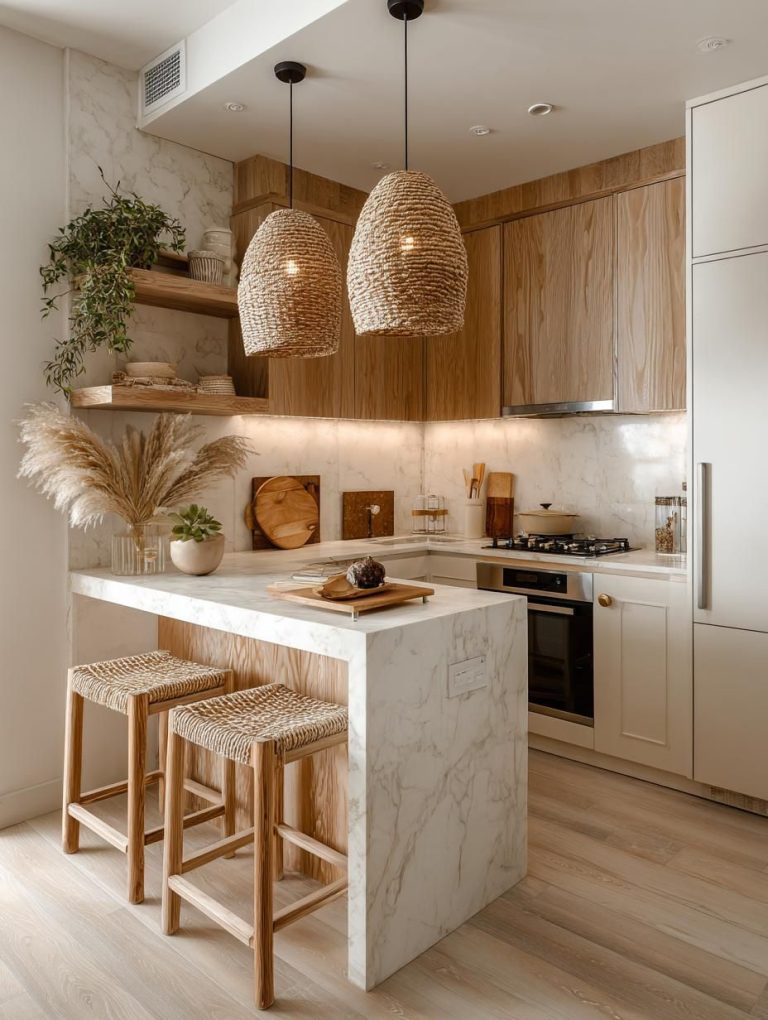
2. The Kitchen
Mail, school papers, and “I’ll look at this later” items all gravitate to kitchen counters because there’s no other obvious home for them. Set up a simple three-slot mail sorter (to act, to file, to toss) right where mail enters, and commit to one touch: it goes in a slot, not on the counter.
A slim countertop sorter like this one keeps the surface clear without adding visual clutter: Check price on Amazon →
3. The Bedroom & Closet
The “chair pile” is almost universal. The one-touch fix: every piece of clothing gets exactly two possible homes when it comes off — the hanger or the hamper. No third option. If your closet makes hanging something back up annoying (too tight, too high), that’s a setup problem, not a you problem — a few slim, non-slip hangers can make this almost automatic.
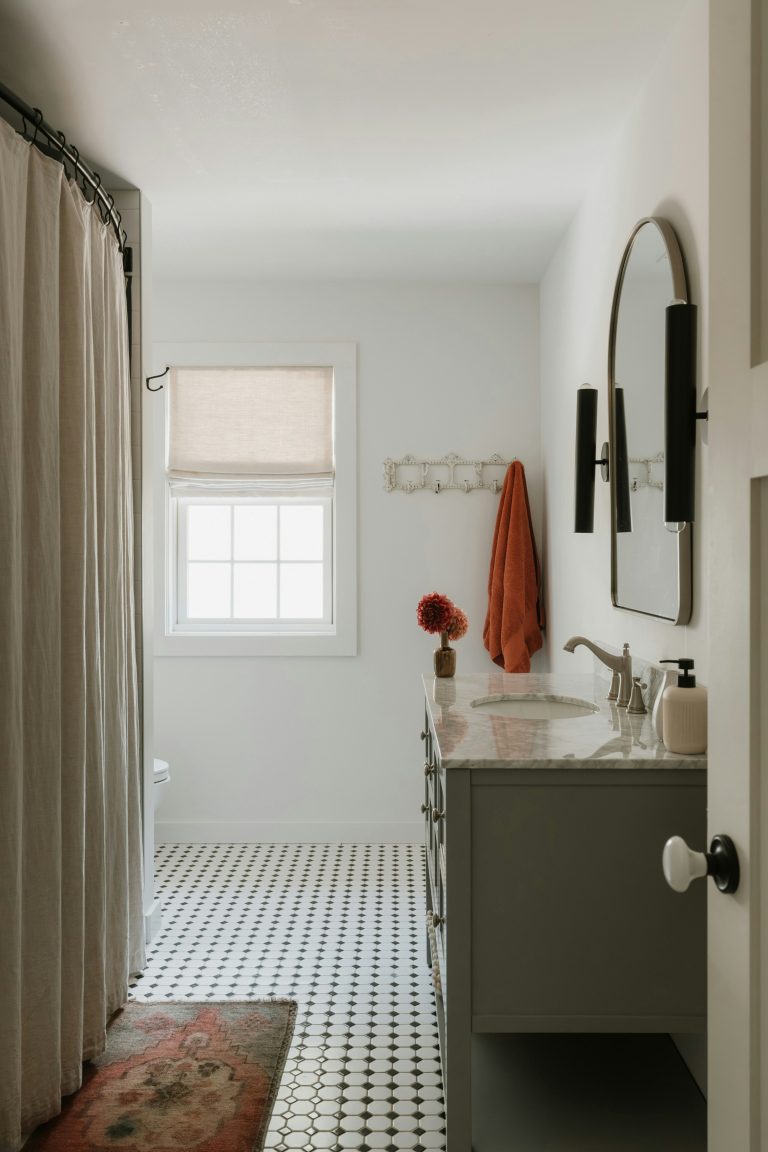
4. The Bathroom
Bathroom counters fill up with things mid-use — product testing, skincare steps, hair tools. A small tray that corrals everything in one zone means the “one touch” is just sliding it into the tray instead of finding a permanent home for every single item, which is often what stops people from tidying in the first place.
5. Paper & Admin Clutter
This is the category that piles up invisibly. One touch means: open it, decide (file, act, recycle), and never set down a piece of paper “to deal with later.” A simple desktop file holder gives the “file” decision an actual home so it’s faster than the counter.
How This Compares to Other Popular Methods
If you’ve tried other named decluttering methods, here’s honestly where the One-Touch Rule fits in — it’s not a replacement for a deep declutter, it’s what keeps one from being necessary as often.
| Method | Best For | Time Commitment | Maintenance Level |
|---|---|---|---|
| One-Touch Rule | Preventing daily clutter creep | Seconds, ongoing | Daily habit |
| 12-12-12 Method | Quick periodic resets | 15-30 min sessions | Weekly/as-needed |
| 30-Day Declutter Challenge | Whole-home deep reset | 20-30 min/day for a month | One-time, with upkeep after |
| Drawer Dumping Method | Fast single-area purges | 10-20 min per drawer | As-needed |
Common Mistakes That Stop This Habit From Sticking
- Making “away” too hard to reach. If the hamper is upstairs and the chair is right there, the chair wins every time. Put the landing zone where the clutter naturally happens.
- Trying to apply it to everything at once. Pick one zone — your entryway, your counter — and build the habit there first. Trying to overhaul the whole house in one day is how the 12-12-12 method and this one get confused; they’re not the same job.
- Treating it as all-or-nothing. Missing a day doesn’t mean starting over. It’s a habit, not a streak.
Making It a Real Habit, Not Just a Good Idea
If you already follow our Tiny Habits for a Clutter-Free Home approach, the One-Touch Rule slots in perfectly as one of those small, stackable habits — pair it with something you already do daily (coming home, getting ready for bed) so it doesn’t need to be remembered, just triggered. And if Sundays are when you reset for the week, our Sunday Reset Routine is the perfect weekly check-in to notice where one-touch habits slipped and gently reset the landing zones, not your whole house.
If you’re also drawn to the shift away from buying more plastic bins, our Sustainable Home Organization guide pairs well here too — the storage pieces that make one-touch habits easiest tend to be the same simple, natural-material baskets that fit this year’s broader shift toward owning fewer, better things.
For more on the wellbeing research behind home environments, the UCLA Center on Everyday Lives and Families has published some genuinely interesting work on this. And if part of your decluttering process involves letting go of items rather than just relocating them, the EPA’s guide to reducing and reusing is a good resource for donating responsibly instead of defaulting to the trash.
Want the Room-by-Room Checklist?
I made a free printable that walks you through setting up a one-touch landing zone in every room of your home — entryway, kitchen, bedroom, bathroom, and your paper pile. It’s the exact checklist I use, and it takes about 20 minutes total to set up.
Grab it free below — no overwhelm, just the five zones that matter most.
Frequently Asked Questions
What is the One-Touch Rule in decluttering?
The One-Touch Rule means fully handling an item the first time you pick it up — putting it away, acting on it, or getting rid of it — rather than setting it down temporarily. The goal is to eliminate the “I’ll deal with it later” pile before it forms.
Is the One-Touch Rule the same as minimalism?
No. Minimalism is about how much you own; the One-Touch Rule is about how you handle what you already have. You can use this habit at any level of minimalism.
How long does it take to build this habit?
Most people notice it becoming automatic in one zone (like an entryway) within about 2-3 weeks of consistent use, especially if the “away” spot is genuinely easier to use than setting the item down.
What if I don’t have a landing zone set up yet?
Start with just one — a hook or basket by your most-used entry point. You don’t need every room solved before the habit starts working.
Does this work for kids’ clutter too?
Yes, and it’s often easier for kids to grasp than adults — a labeled bin at their height for “toys that live here” gives them a concrete one-touch action instead of an abstract “clean up” instruction.
What’s the difference between this and the 12-12-12 method?
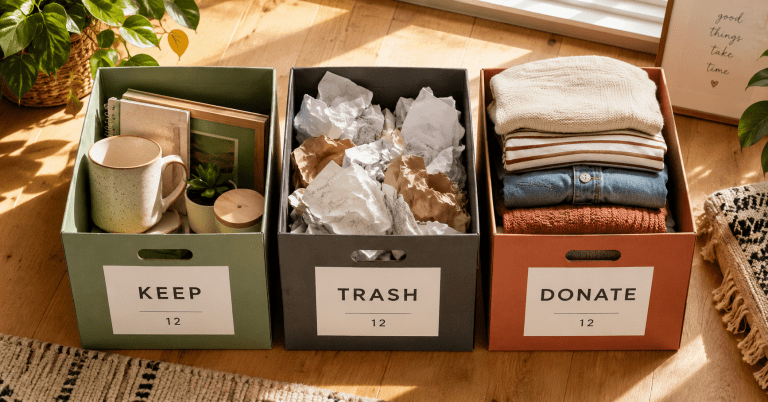
The 12-12-12 method is a periodic purge session (find 12 items to toss, 12 to donate, 12 to relocate). The One-Touch Rule is a daily habit that prevents clutter from building up between those sessions.
What if I miss a day?
It’s not a streak to protect — it’s a habit to return to. One missed day doesn’t undo the system; just pick it back up at the next item you touch.
The Bottom Line
You don’t need a more dramatic declutter. You need fewer half-finished decisions sitting around your home. The One-Touch Rule isn’t flashy, and it won’t make a satisfying before-and-after photo on its own — but six months from now, it’s the quiet reason your home stays calm between the big resets, not because of them.